


Trichoderma Harzianum: Benefits, Applications and Role in Biological Plant Disease Management
Learn about Trichoderma Harzianum: Benefits, Applications and Role in Biological Plant Disease Management, including its agricultural context.
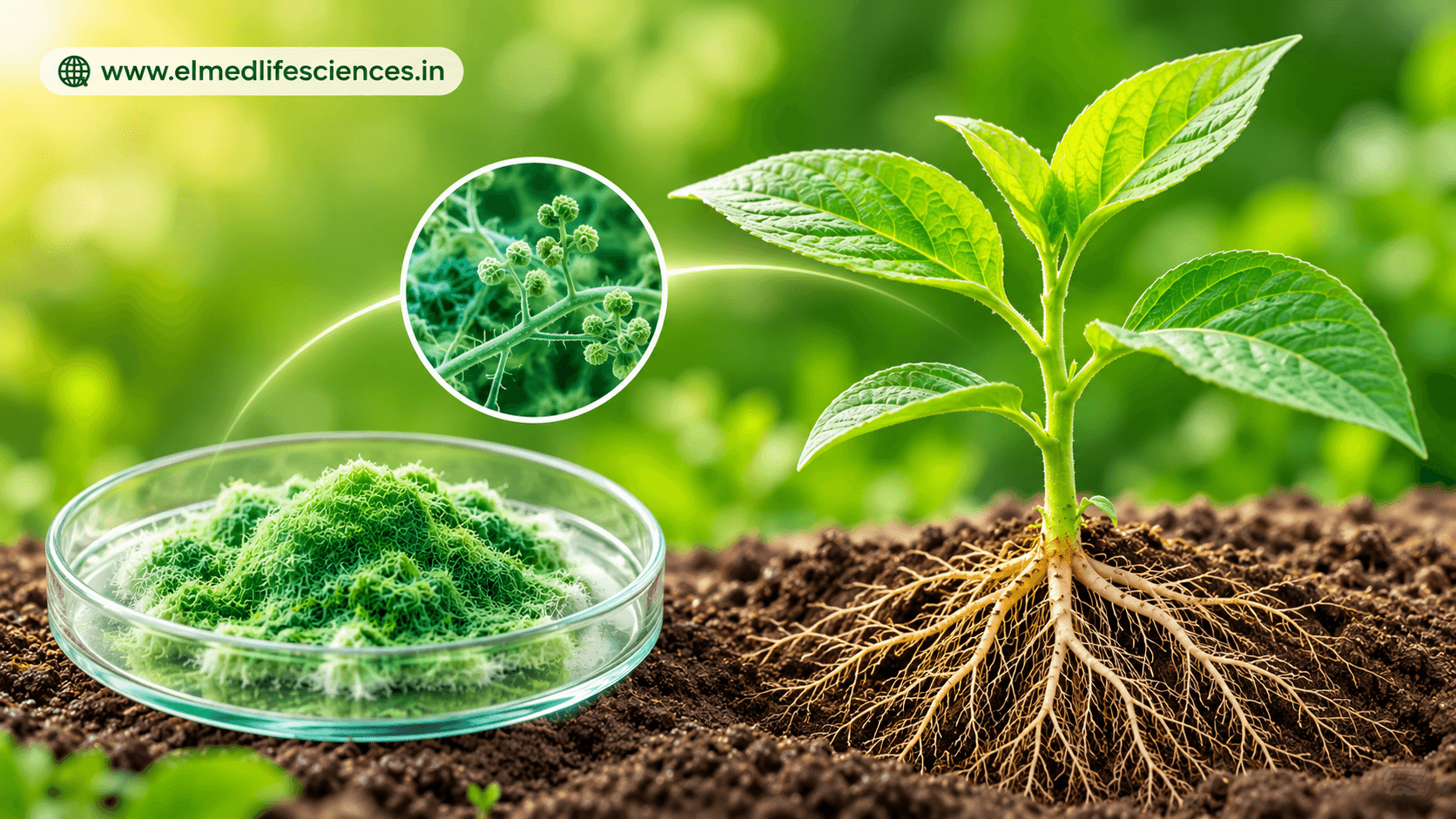
Modern agriculture is about getting increased yields of crops without destroying the soil and without overuse of chemicals. The problem is that harmful fungi and pathogens cause soil-borne diseases that can damage roots, slow plant growth, and harm crops. So farmers are turning to biologicals to keep their crops healthy – and one standout is Trichoderma harzianum.
Trichoderma harzianum is a helpful fungus and a favourite biological crop protection agent. This fungus is good at pushing out bad microorganisms, making substances that kill infections, and collaborating with other organisms in the root zone. It colonises roots and mingles with the life of the soil, and is therefore ideal for sustainable farming.
Today you’ll find Trichoderma in many kinds of biofungicides and microbial products. Farmers use it for seed treatments, soil health, nursery management, and disease-free roots. Knowledge of its mechanisms, advantages, and application is important for farmers and agribusinesses to make informed decisions.
What is Trichoderma harzianum?
Encompasses a naturally occurring fungus within the Trichoderma species. It's in the soil, rotting debris, and near the roots of plants. What makes this application particularly unique is that it has a broad-spectrum ability to combat soilborne plant diseases.
Unlike standard fungicides—basically chemicals with one job—Trichoderma goes after pathogens in several ways. It competes for food and space, attacks other fungi directly, creates antimicrobial compounds, and even triggers plants’ natural defenses.
You’ll usually see it sold as powders, granules, or other products for easy use. But not all Trichoderma items are the same. It varies by strain, the number of spores, the quality of the product, how it is stored, and the conditions in the field.
How Does Trichoderma Harzianum Work in Biological Plant Disease Management?
Mycoparasitism
Its fundamental trick is this: Trichoderma finds a bad fungus, grows around its hyphae, and secretes enzymes like chitinases and proteases to break down the cell wall of the pathogen. Basically, it consumes the competitors and keeps the bad guys in check.
Competing for room and food
Trichoderma establishes itself in the rhizosphere, the area surrounding the roots, where it competes for nutrients and space and prevents harmful fungi from getting established.
Synthesis of antibacterial chemicals
Some strains produce substances that actually inhibit pathogen growth, or that kill them or stop them from reproducing or developing. You have a choice. The effectiveness is strain-specific.
Plant defence induction
Some strains of Trichoderma enhance plant immunity, preparing plants to combat disease. This is strain- and plant-dependent, but it’s a fantastic side effect.
What are the benefits of Trichoderma Harzianum in agriculture?
Trichoderma offers a bunch of perks:
Fights soil-borne plant diseases
It suppresses root rot, seedling disease, damping-off, and other headaches. It works best as part of a bigger disease management plan.
Promotes root growth
Certain strains help roots grow deeper and stronger. Plants have better access to water and nutrients, and so they are off to a good start.
Boosts soil microbial activity
Trichoderma may also modify the microbial ecology around roots and decaying organic material to give soil a more plant-friendly character.
Facilitates the release of nutrients
Others secrete enzymes that take nutrients and degrade organic waste so some of the nutrients are easier for plants to understand. However, don't rush off and replace your fertiliser just yet; Trichoderma still won't do it all.
Promotes sustainable crop protection
Trichoderma use contributes to the reduction of chemical use and forms part of integrated crop protection measures.
What Are the Different Applications of Trichoderma Harzianum?
Treatment of seed
Trichoderma can colonise the roots early when applied as a seed coating and so prevent infections from the very beginning.
Soil treatment
Putting it on soil puts the fungus where it needs to be, adjacent to plant roots.
Nursery and transplant treatments
New shoots are infected with root diseases very often; therefore, the use of nursery soil or roots of plant seedlings is able to recover quickly.
Adding to the compost
Other strains help speed up the composting process by eating organic materials and increasing the population of helpful bacteria.
Which Crops Can Benefit from Trichoderma Harzianum?
The exact benefit depends on the strain, target pathogen, soil, and farm practices.
Crop category
Potential applications
- Vegetables
- Root disease management and seedling protection
- Fruits
- Root-zone disease management and orchard soil health
- Cereals
- Seed treatment and selected soil-borne disease management
- Pulses
- Root-zone protection and crop establishment
- Oilseeds
- Soil treatment and seed-associated applications
- Plantation crops
- Root health and integrated disease management
- Horticultural crops
- Nursery treatment and transplant establishment
What matters when picking a Trichoderma harzianum supplier in India?
If you’re buying for a company, don’t just grab any product off the shelf—it’s important to look at:
Strain quality
Choose suppliers who give clear strain information. Different strains perform differently, so details matter.
Viable spore count and product quality
Check the numbers—what’s the spore count? Is it pure? How’s the shelf life? Good quality means better results.
Production and quality control
Find producers who produce cleanly and consistently and test every batch. Ensure that they adhere to local regulations.
Formulation and support
A good supplier should know how to formulate microbial products, provide packaging advice, and help you use them correctly.
Why Elmed Life Sciences
Elmed Life Sciences is a company focused on microbial solutions for agriculture, animal and aquaculture. They manufacture compounds of Trichoderma harzianum that protect plant roots from illness. Elmed backs up its products with real research and manufacturing know-how, including options for large orders, private labelling and custom formulations.
To summarise
Trichoderma harzianum is the best weapon to combat soil-borne illnesses, increasing plant defences and fostering healthy roots. Farmers use it to prepare seeds and soil, for nursery care and even for composting. Best results are produced by paying attention to the quality of the strain, viable count, product formulation, and technique of application. Suppliers you can rely on!
Elmed Life Sciences offers numerous Trichoderma choices, formulation help, and bulk services to businesses. Their help can help you add to the biological tools you use to protect your crops.
Frequently Asked Questions
Key inquiries on strain selection, soil application, and biological soil regeneration.
It is primarily a fungicide for use against diseases and is applied to seed, soil, nurseries, and the root zone.
Commercial Probiotic Formulations & Bulk Supply
Partner with ELMED Life Sciences for high-potency bulk probiotic strains, custom CFU concentrations, and certified manufacturing for agriculture, aquaculture, and animal health.
Related Articles & Insights
Explore more formulation notes and probiotic science from ELMED
12 Nov 2026
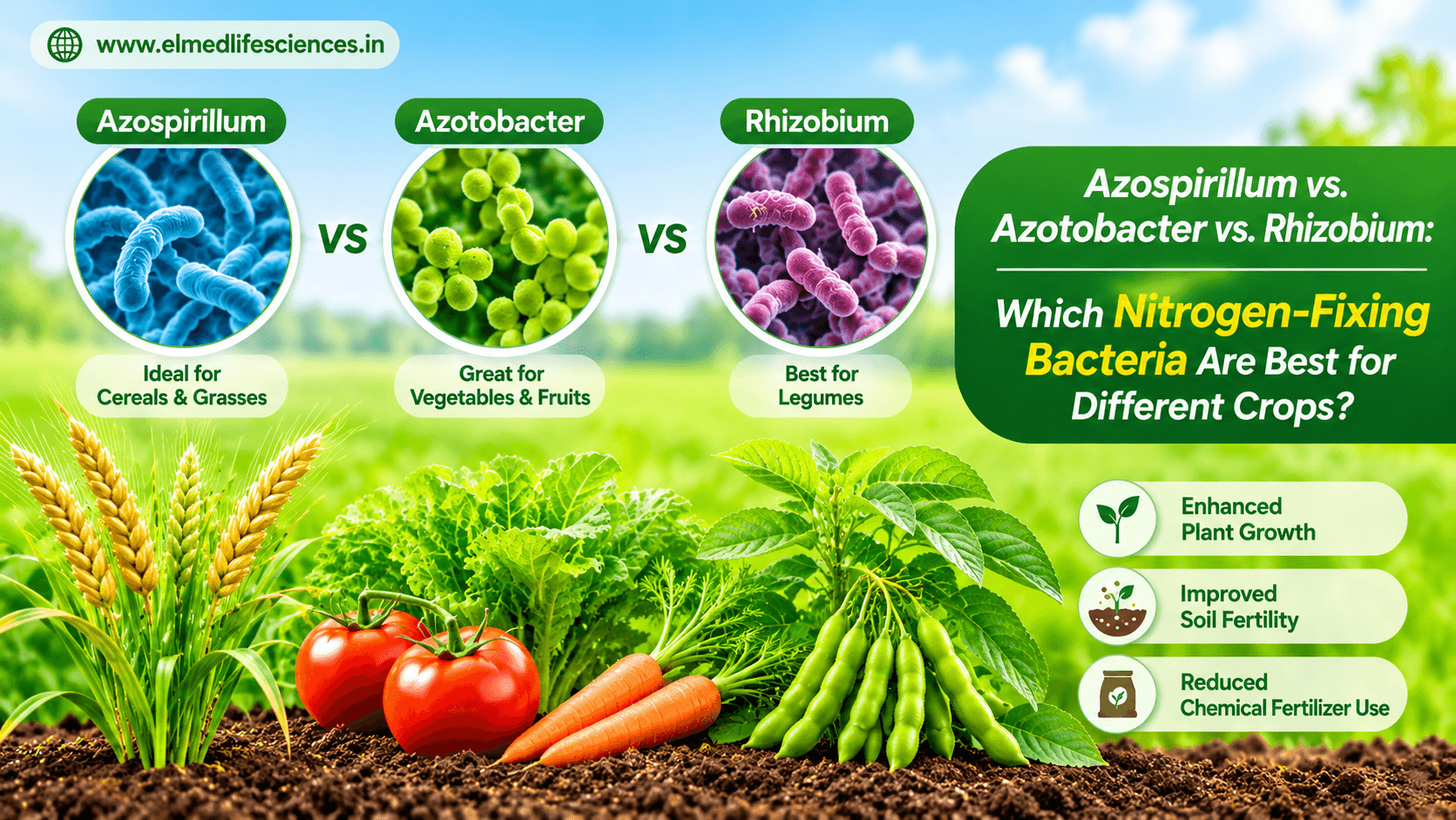
Azospirillum vs. Azotobacter vs. Rhizobium: Which Nitrogen-Fixing Bacteria Are Best for Different Crops?
Azospirillum vs. Azotobacter vs. Rhizobium: Which Nitrogen-Fixing Bacteria Are Best for Different Crops? Compare roles and selection factors.
12 Nov 2026
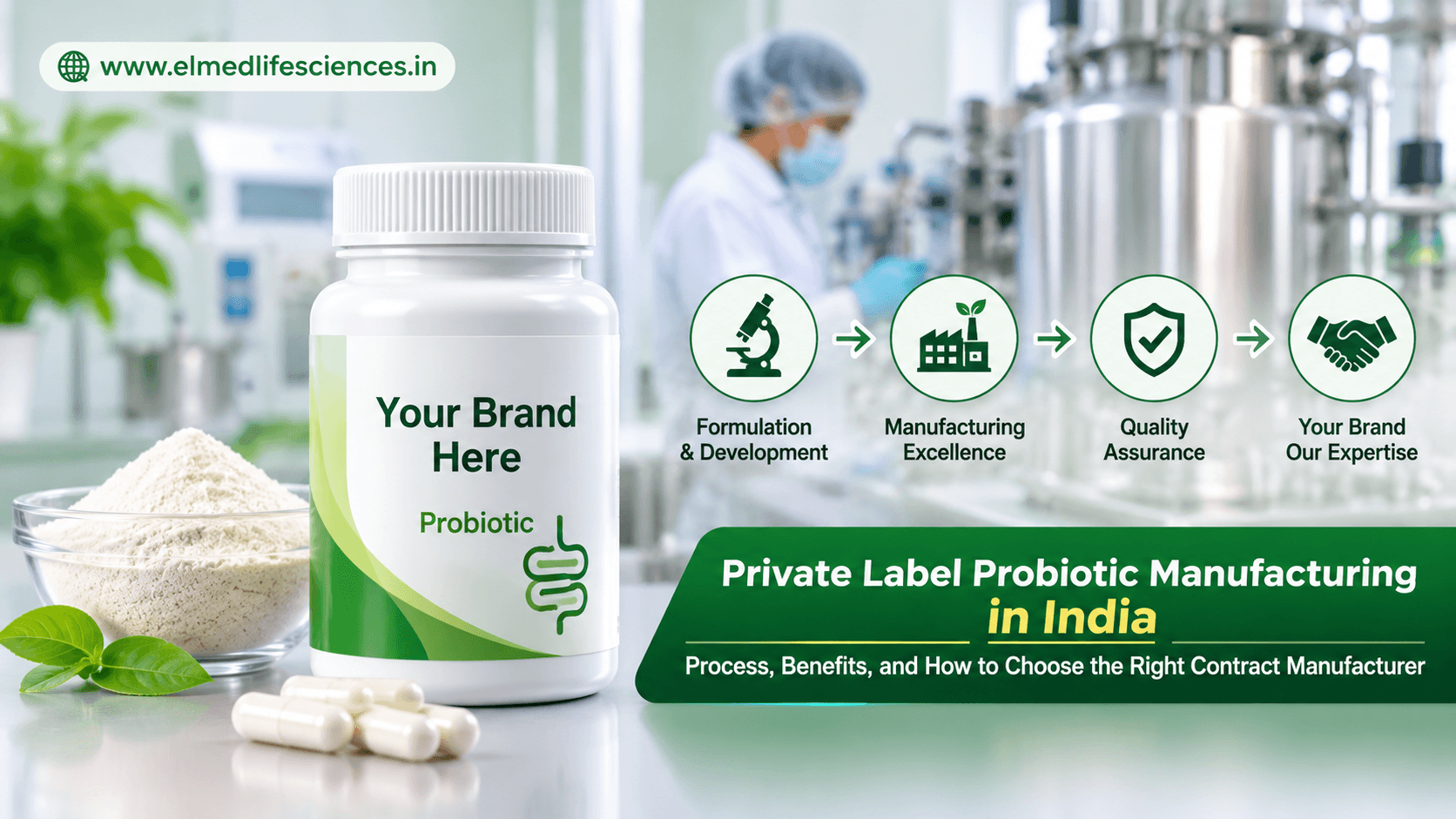
Private Label Probiotic Manufacturing in India: Process, Benefits, and How to Choose the Right Contract Manufacturer
Private Label Probiotic Manufacturing in India: Process, Benefits, and How to Choose the Right Contract Manufacturer

27 Oct 2026
Get to Know the Benefits, Types and Applications of Probiotics in Aquaculture for Shrimp and Fish Farming
Get to Know the Benefits, Types and Applications of Probiotics in Aquaculture for Shrimp and Fish Farming, including how probiotics support shrimp and fish health, growth and water management.