


Get to Know the Benefits, Types and Applications of Probiotics in Aquaculture for Shrimp and Fish Farming
Get to Know the Benefits, Types and Applications of Probiotics in Aquaculture for Shrimp and Fish Farming, including how probiotics support shrimp and fish health, growth and water management.

What Are Soil Probiotics? Understand Their Role in Soil Regeneration
Tailored Commercial Formulation
Explore verified bulk strains and premixes for this segment.
Get to Know the Benefits, Types and Applications of Probiotics in Aquaculture for Shrimp and Fish Farming
If you’re raising shrimp or fish, probiotics are one of those things you’ll hear about a lot these days. Basically, they’re good bacteria or other tiny organisms that boost the health, growth, and overall performance of your stock. You can add them to feed, or you can put them directly into your tanks or ponds. The idea is to get the “right” microbes working for you — in the animals’ guts and in the water itself.
Why bother? Well, farming fish and shrimp comes with its own set of headaches: diseases spreading like wildfire, poor water quality, animals not growing as fast as you’d like, and costs creeping up. Every little thing that helps can make a real difference. Probiotics don’t work miracles, but as part of smart farming, they offer another tool to keep your operation running smoothly.
What Exactly Are Aquaculture Probiotics?
When we talk about aquaculture probiotics, we mean beneficial microbes that, when added in the right amounts, help your fish or shrimp stay healthy or make the pond/tank environment better. Some of them go to work inside the animal’s gut, outcompeting the bad guys (harmful bacteria), helping with digestion, and keeping the microbial community balanced. Others are all about the water, helping break down leftover feed and organic waste.
Not all probiotics do the same thing. Some are meant to be added to feed, others to the water, and some products offer a mix. It really depends on the strains, how they’re used, and what you hope to fix or improve.
Why Do Fish and Shrimp Farmers Need Probiotics?
Modern farms push animals to get the most output per hectare or cubic meter. That means dense populations, lots of feed, and the need to constantly watch water quality. With too much uneaten feed or waste, it’s easy for things to spiral — oxygen gets depleted, harmful bacteria take over, disease can break out, and stressed animals stop growing.
Probiotics can help, but they’re not a get-out-of-jail-free card. Good water quality, responsible stocking rates, and careful feeding still need to come first.
The Common Challenges Probiotics Can Help With
1. Water Quality Issues
Too much organic waste leads to poor water — low oxygen, ammonia buildup, and the like. While some probiotics help, you can’t skip the basics (like aeration and water changes).
2. Digestive Troubles
If animals aren’t digesting feed well, it costs more and dirties the water faster. A probiotic that boosts digestion can help, but only when chosen and applied correctly.
3. Disease Risks
Fish and shrimp are exposed to all sorts of pathogens. Some probiotics reduce bad bacteria in the gut or water — but again, they don’t replace vaccines or proper hygiene.
4. Environmental Stress
Temperature swings, low oxygen, or changes in salinity put stress on stock. Probiotics can cushion the blow somewhat, but you still need to fix the root problem.
The Main Types of Aquaculture Probiotics
Not all probiotics are the same. Here are some you’ll see on the market:
1. Bacillus-Based
Bacillus species are tough, spore-forming bacteria that survive processing and storage well. They’re widely used in both water and feed because they help break down organic material.
2. Lactic Acid Bacteria
These include Lactobacillus and similar strains. They support gut health and help maintain good microbe balance in the digestive system.
3. Yeast-Based Probiotics
Some products use live yeast (like Saccharomyces strains). They bring a mix of nutrient and immune benefits — but don’t confuse them with inactive yeast or extracts, which work differently.
4. Multi-Strain Blends
Some products combine several strains to target multiple problems at once — say, both gut and water quality. More strains isn’t always better, though; what matters is real evidence and proven compatibility.
How Are Probiotics Used in Shrimp and Fish Farming?
With shrimp, you can add probiotics to feed or put them straight in the pond. Feed-based options deliver the microbes right to the animal’s gut.
Everything from how you coat the feed to water temperature can affect whether the microbes stay alive and do their job.
And for super-intensive systems, where there are a lot of animals and feed going in, probiotics are just one piece of the puzzle — they go hand-in-hand with other management practices like regular pond cleaning, aeration, and strict feeding control.
The same principles apply for fish. You can add probiotics to feed or water, in ponds, tanks, or recirculating systems. If you use a recirculating system (RAS), be very careful — anything you add needs to play nice with your biofilters and water-treatment bacteria. A random probiotic may do more harm than good if it throws off the system balance.
Challenges of Aquaculture
1. Degradation of water quality
Organic accumulation and nutrient build-up can lead to poor water conditions. Microbial products can enhance certain biological processes but cannot substitute for aeration, water turnover where feasible, or regular water testing.
2. Dyspepsia
Feed inefficiency can be costly to production and creates waste.
3. Disease stress
One more concern is the presence of bacteria and other pathogens in the water. Specific probiotics can prevent specific undesirable bacteria from settling in, but do not treat diseases.
4. Environmental Pressure
Environmental changes, e.g., changes in temperature, salinity, dissolved oxygen, or other water parameters, can influence the performance of aquatic creatures. Probiotics may have a positive role under some conditions, but environmental issues need to be addressed.
How Do You Pick the Right Probiotic?
Don’t just grab whatever’s on sale. Instead, ask yourself:
- Is the product proven for my species?
- Which microbes does it actually contain?
Test it out on a small scale before applying farm-wide. Keep careful records to see if you’re actually getting results.
Best Practices for Using Probiotics
Here’s how to get the most out of your probiotics:
- Keep oxygen, temperature, and pH in the right range.
- Feed smart, avoid surplus.
Remember, probiotics are just one tool in your kit. They don’t replace good management, solid disease diagnosis, or veterinary care.
Key Takeaways
Farmers of shrimp and fish can benefit from probiotics because they can help digestion, boost immune systems, clean up water, and maybe even help fish and shrimp survive and grow. But they work best when the basics (clean water, good feed, proper stocking) are in place. Always match the product to your animals and conditions, follow instructions, and keep a close eye on results to make sure you’re getting what you pay for.
Frequently Asked Questions
Key inquiries on strain selection, soil application, and biological soil regeneration.
They are live microorganisms that, when administered to feed or water, may impart a benefit to aquatic animals and their habitat.
Commercial Probiotic Formulations & Bulk Supply
Partner with ELMED Life Sciences for high-potency bulk probiotic strains, custom CFU concentrations, and certified manufacturing for agriculture, aquaculture, and animal health.
Related Articles & Insights
Explore more formulation notes and probiotic science from ELMED
12 Nov 2026
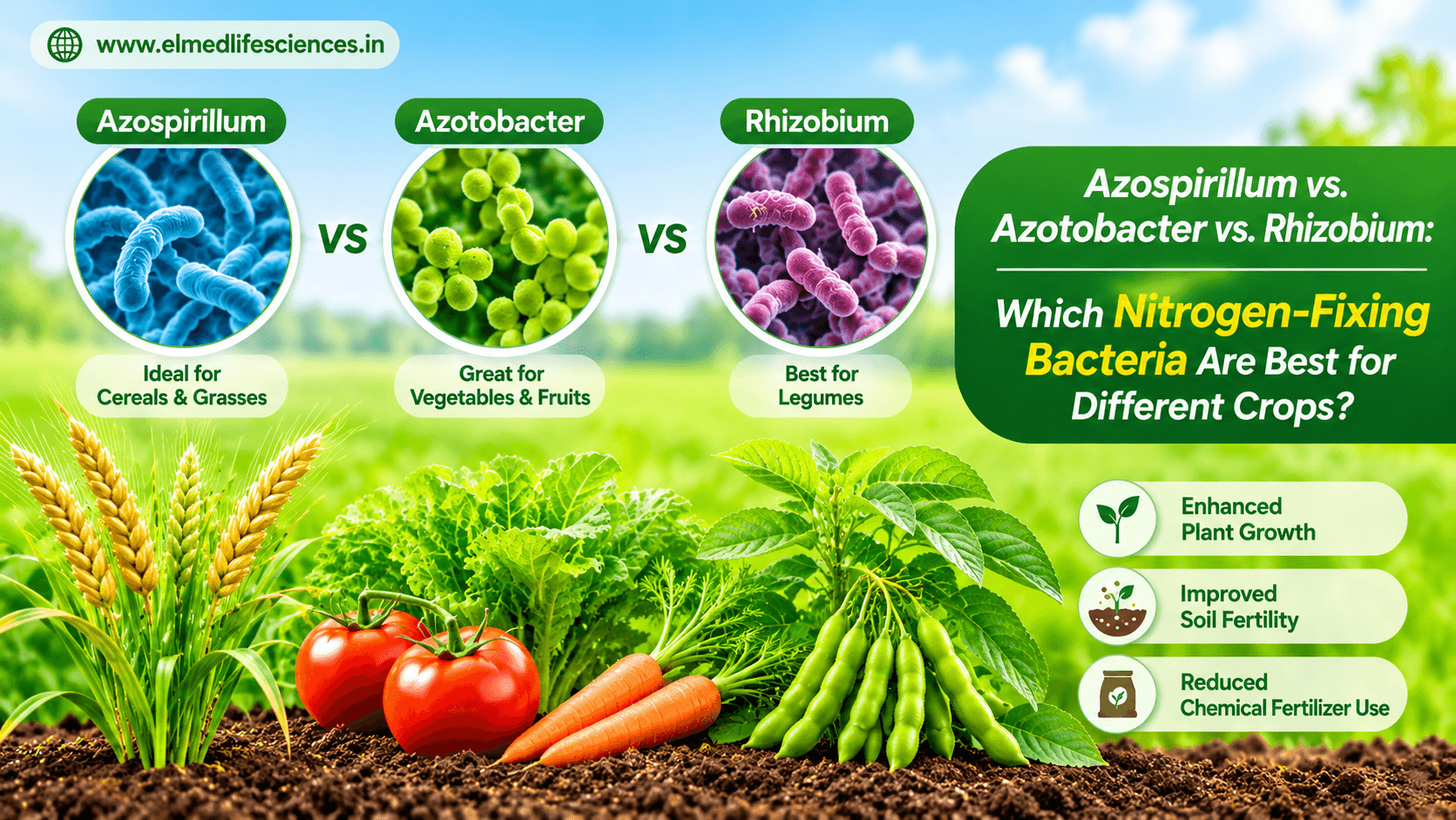
Azospirillum vs. Azotobacter vs. Rhizobium: Which Nitrogen-Fixing Bacteria Are Best for Different Crops?
Azospirillum vs. Azotobacter vs. Rhizobium: Which Nitrogen-Fixing Bacteria Are Best for Different Crops? Compare roles and selection factors.
12 Nov 2026
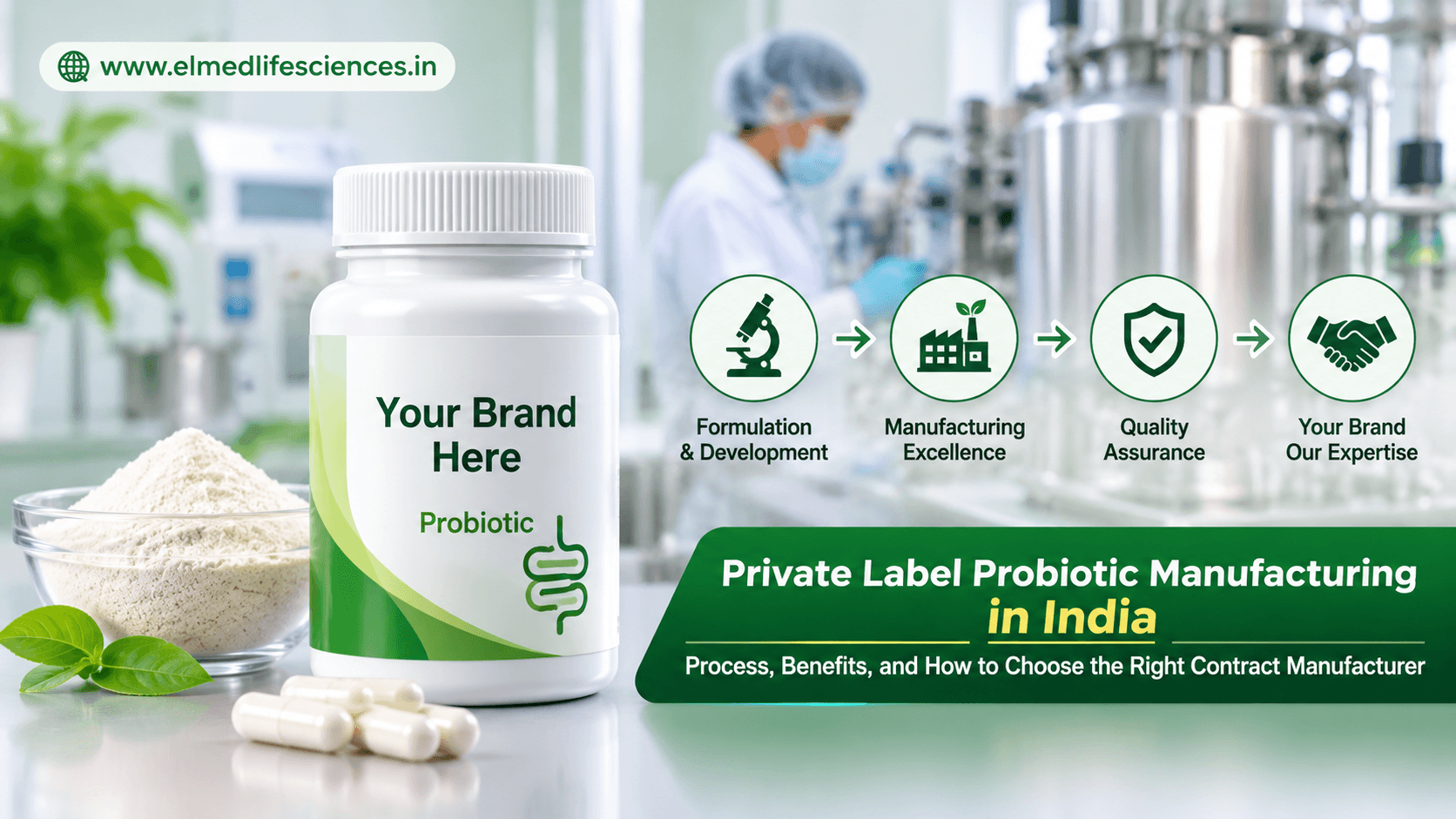
Private Label Probiotic Manufacturing in India: Process, Benefits, and How to Choose the Right Contract Manufacturer
Private Label Probiotic Manufacturing in India: Process, Benefits, and How to Choose the Right Contract Manufacturer
12 Nov 2026
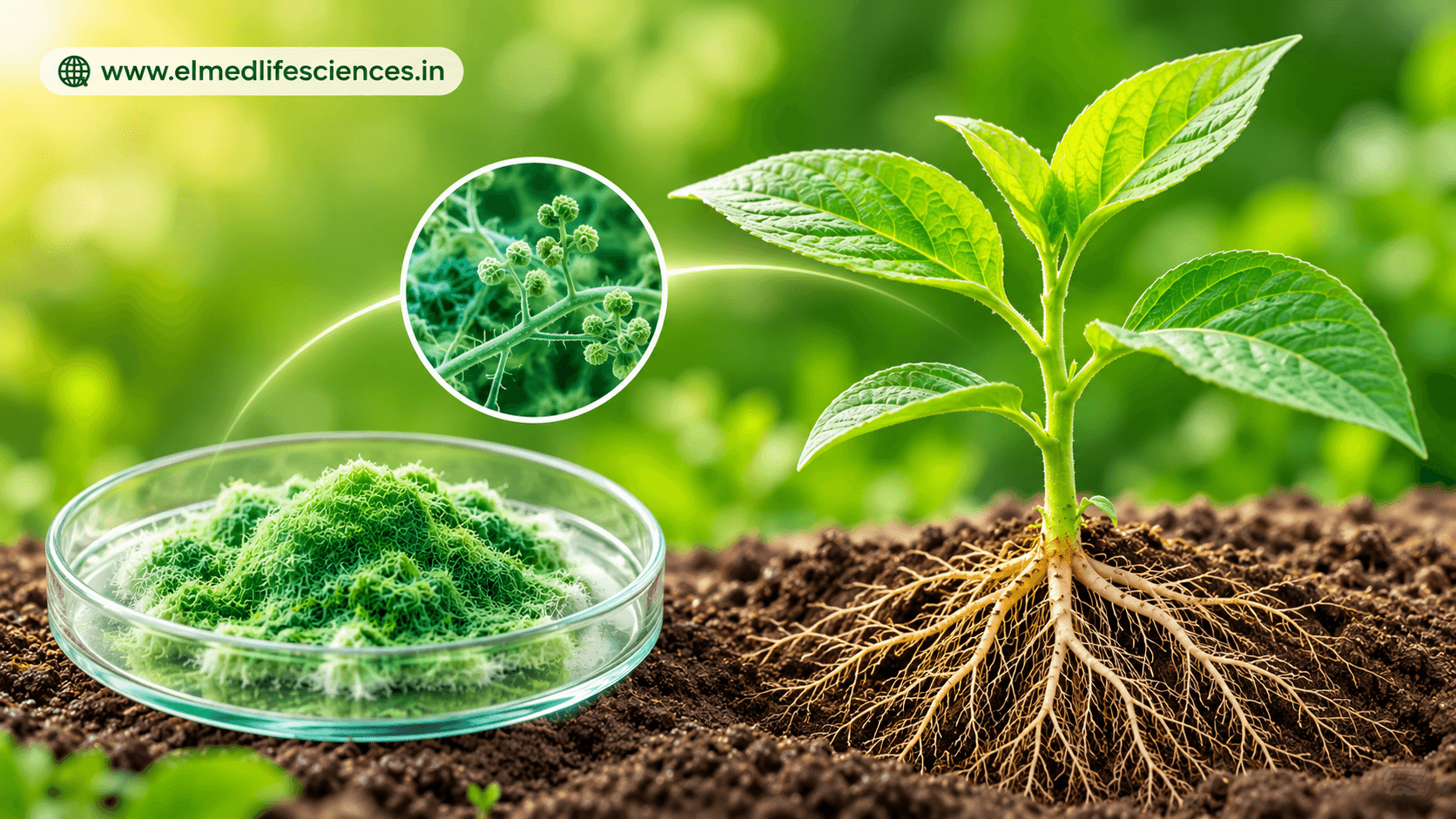
Trichoderma Harzianum: Benefits, Applications and Role in Biological Plant Disease Management
Learn about Trichoderma Harzianum: Benefits, Applications and Role in Biological Plant Disease Management, including its agricultural context.